
Introduction
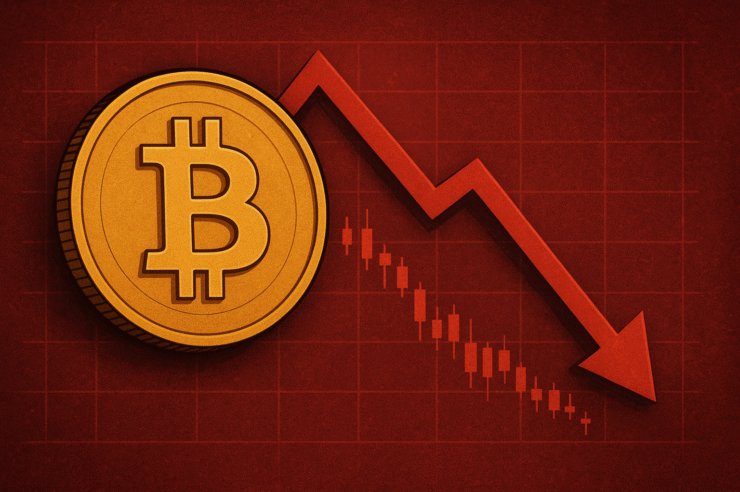
The global cryptocurrency market has once again been shaken by a massive downturn that pushed Bitcoin below the psychological threshold of 90000 for the first time in seven months. This dramatic decline has triggered widespread concern among traders, analysts and institutions as over one trillion dollars in market capitalization vanished from the global crypto ecosystem in just a matter of weeks. The fall of Bitcoin, often seen as the bellwether for the entire digital asset sector, has amplified fears that the current selloff may be more than a simple correction.
The Sudden Decline: What Exactly Happened?
Bitcoin’s slide below the 90000 mark came abruptly and caught many investors off guard. After reaching an all time high near 126000 just weeks earlier, the market began showing signs of exhaustion. Both retail and institutional investors had poured heavily into the asset throughout the year, buoyed by strong market sentiment, growing adoption and increasing acceptance of exchange traded products. However, as speculative enthusiasm peaked, structural weaknesses began to surface. When Bitcoin dipped below a key support level, selling pressure intensified followed by a cascade of automated liquidations that accelerated the drop.
This steep downturn was not limited to Bitcoin. The broader cryptocurrency market, consisting of thousands of digital assets, saw its total market capitalization reduced by more than one trillion dollars within a six week span.
Factors Behind The Crash
Uncertainty Over Future Interest Rate Policies
A major catalyst for the market downturn has been increasing uncertainty surrounding monetary policy in the United States and other major economies. Many investors had anticipated a series of interest rate cuts from the Federal Reserve which would have further supported risk assets such as cryptocurrencies. However, shifting economic indicators and concerns about inflation have caused central banks to delay or reduce the likelihood of rate cuts.
Profit Taking After Record Highs
Profit taking is a natural part of any bull market cycle but in the case of Bitcoin the speed and scale of the withdrawals surprised even seasoned analysts. Many long term holders and institutional investors had accumulated sizable gains during the bull run earlier in the year. With signs of weakening momentum and growing macroeconomic risks, these investors began locking in profits. Once a few large players began exiting the market, others followed suit.
Liquidations From Excessive Leverage
Leverage is a double edged sword in the world of cryptocurrency trading. During bullish phases it magnifies gains and attracts waves of speculative capital. However, in downturns leveraged positions can quickly become a liability. As Bitcoin’s price slipped and breached key support levels, many traders with leveraged positions saw their margin requirements increase. When they were unable to meet margin calls, their positions were automatically liquidated by exchanges.
Weak Market Liquidity
Liquidity in the crypto market has been thinner than usual in recent months. A lack of strong buy side demand meant that even modest selloffs could move prices significantly. When Bitcoin began to fall investors who might otherwise have stepped in to buy at lower levels remained cautious. The absence of a robust pool of buyers to absorb sell orders created an imbalance that allowed prices to fall further than anticipated. As the slide continued, confidence weakened and market participation dropped, resulting in even less liquidity and heightened volatility.
Broader Risk Off Sentiment in Global Markets
Crypto does not exist in isolation. When global markets experience heightened uncertainty investors tend to move away from risky assets. Over the last several weeks global stock markets, particularly in the technology and innovation sectors, have experienced notable declines. Concerns about geopolitical tensions, macroeconomic instability and slowing economic growth across various regions have contributed to a broader risk off environment. Crypto which is often seen as one of the most speculative asset classes naturally becomes a casualty in such periods.
Impact Across The Crypto Ecosystem
Decline in Major Altcoins
The fall of Bitcoin inevitably drags the rest of the crypto market with it. Ethereum for instance saw a decline of nearly forty percent from its previous highs. Other leading cryptocurrencies including those in sectors like decentralized finance and Web3 experienced depreciations ranging from twenty to sixty percent. Many smaller altcoins which rely heavily on speculative enthusiasm faced even deeper losses, in some cases wiping out months of gains.
Crypto Related Companies Under Pressure
Publicly traded companies with significant exposure to Bitcoin and the broader crypto market have witnessed sharp declines in their share prices. Firms involved in Bitcoin mining, crypto trading infrastructure and blockchain development have seen their valuations drop as investor sentiment turned negative. The decline in Bitcoin revenues directly impacts miners whose profitability is tied to market prices. Reduced earnings expectations and higher operational costs may force some miners to reduce capacity or temporarily shut down operations.
Outflows From Crypto Investment Products
One of the most telling indicators of shifting sentiment has been the steady outflow of funds from crypto investment products such as exchange traded funds and institutional trusts. These vehicles had been major contributors to Bitcoin’s rise earlier in the year by offering traditional investors a regulated pathway into the digital asset space. As market uncertainty increased, however, investors began withdrawing funds. This removal of institutional liquidity has significantly weakened Bitcoin’s price stability.
Market Sentiment Turns to Extreme Fear
Investor sentiment indexes which track market emotions show a sharp transition from optimism to extreme fear. High volatility and widespread losses eroded confidence, especially among newer retail participants. Many traders who entered the market during the peak rally months were unprepared for such sharp declines and exited their positions at losses. This contributed to a negative feedback loop where fear fueled more selling and created additional downward momentum.
Analyst Opinions and Market Commentary
Analysts across the financial world have weighed in on the situation, offering a variety of perspectives on the nature and severity of the downturn. Several experts argue that the crash is largely a macro driven event rather than a sign of failing crypto fundamentals. They stress that interest rate policies, global liquidity conditions and risk appetite are currently the main drivers of Bitcoin’s price action. Others believe that the excessive leverage built up over the past months had created an unstable foundation that was destined to crumble once sentiment shifted.
Some analysts emphasize that this downturn could be healthy for the long term stability of the market. The unwinding of leverage and the flushing out of speculative excess may pave the way for a more sustainable growth phase.
What To Expect Next Key Risks And Potential Opportunities?
Critical Support and Resistance Levels
The immediate concern for traders is whether Bitcoin can sustain levels above the newly formed support zones. A failure to hold above the mid 80000 range could trigger further declines potentially testing the next major support near 75000. Conversely, regaining momentum above psychological levels like 100000 could restore confidence and attract fresh buyers.
Institutional Outlook
Institutions play a significant role in determining the future trajectory of Bitcoin. If large players view the current price levels as attractive long term entry points, they may begin accumulating again. This could stabilize the market and gradually restore upward momentum. However, if uncertainty remains high institutions may continue reducing exposure leading to further price weakness.
Effects on Retail Investors
Retail investors face both risk and opportunity in this environment. The crash presents potential buying opportunities for long term believers who are comfortable with volatility. However, short term traders must exercise caution as the market may continue to experience sharp swings influenced by liquidations, macro trends and sentiment shifts.
Conclusion
The fall of Bitcoin below 90000 and the sweeping loss of over one trillion dollars in the global crypto market represent one of the most significant downturns the industry has seen in recent years. Multiple factors including macroeconomic uncertainty, profit taking, leverage unwinding, weak liquidity and fear driven sentiment have converged to create a perfect storm. While the long term fundamentals of digital assets continue to evolve positively the current environment reminds investors of the inherent volatility and unpredictability of this emerging asset class.